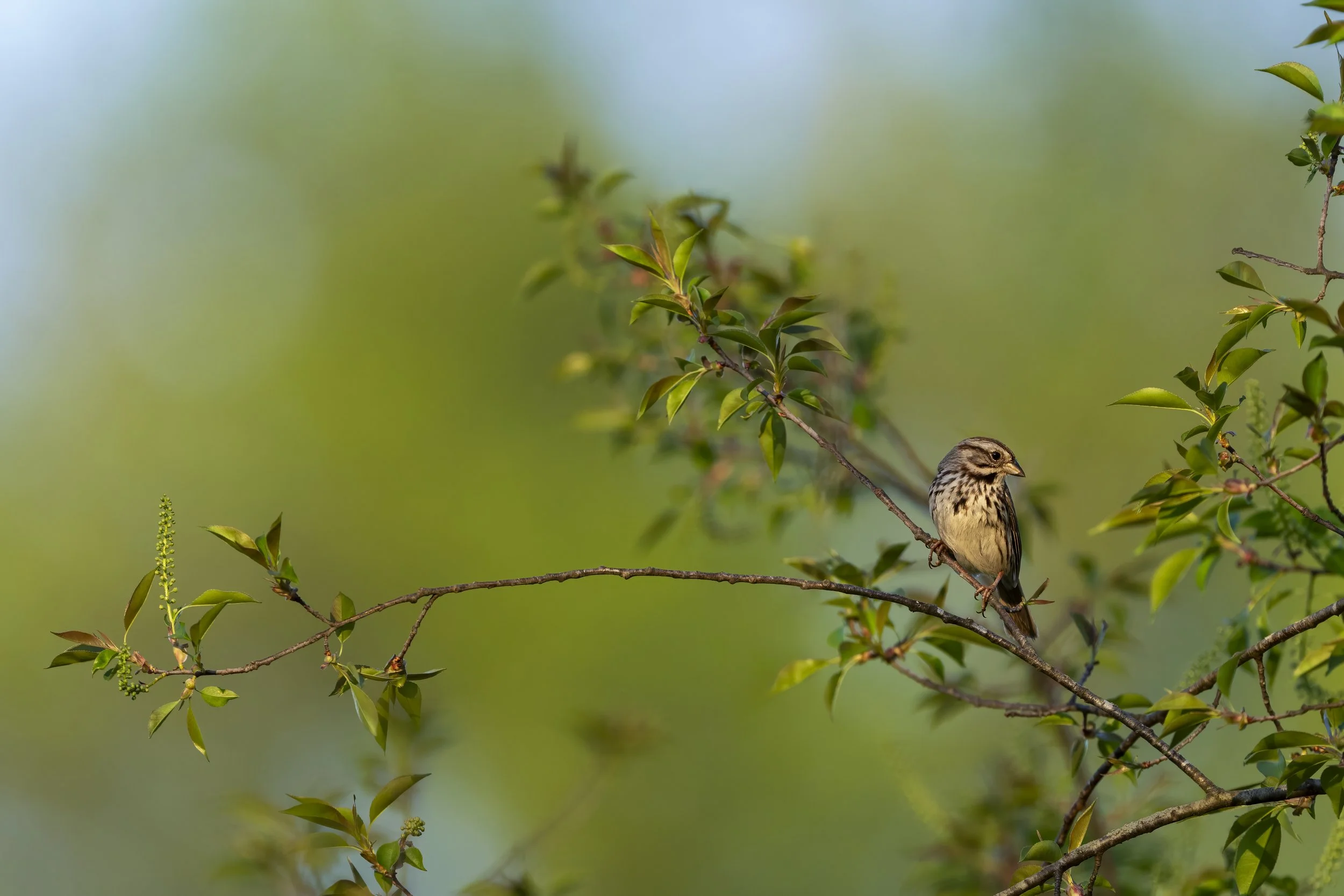
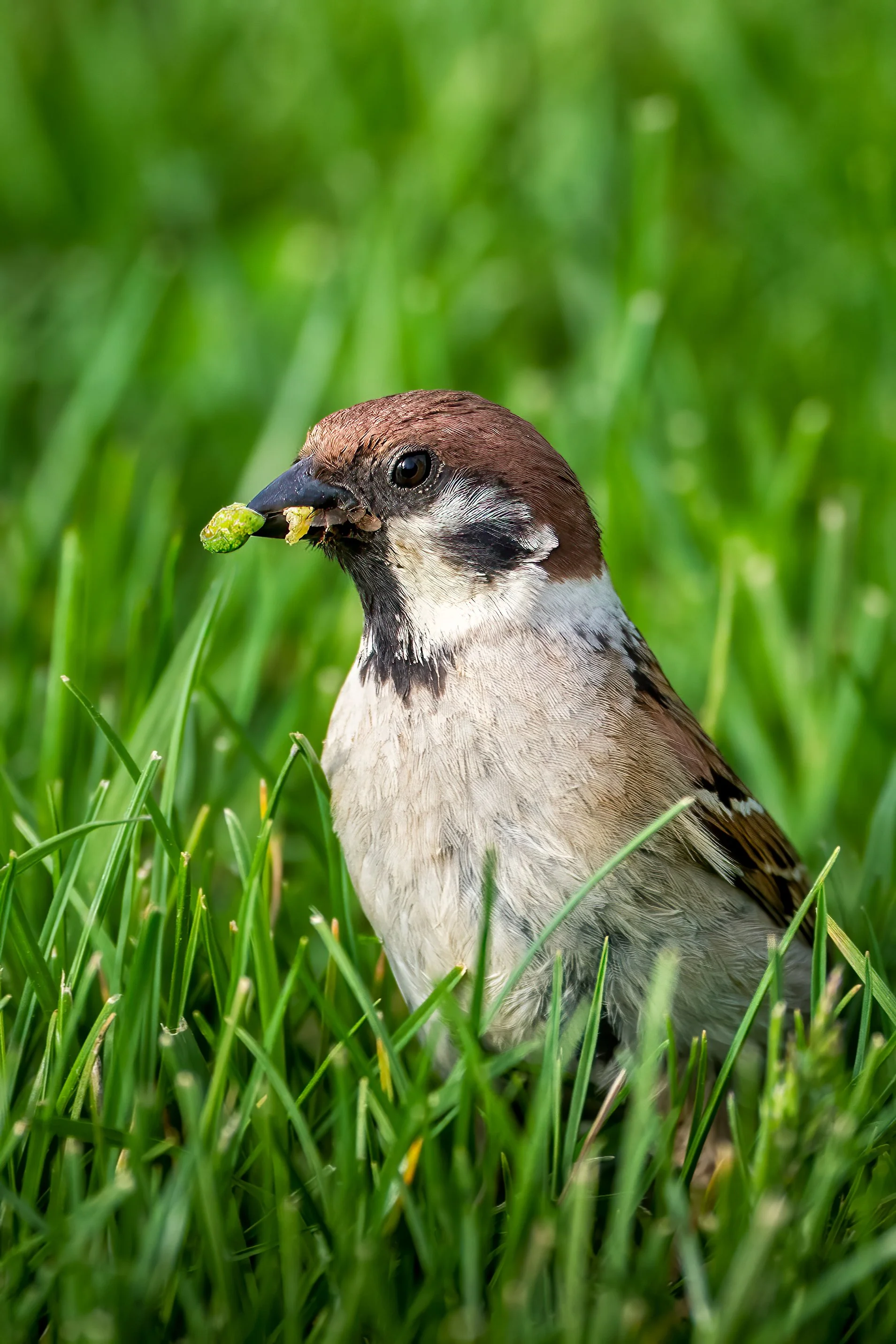
Song Sparrows take singing so seriously that researchers use them to study human language. One of North America's most common birds, they are a reminder that there is beauty in the ordinary.
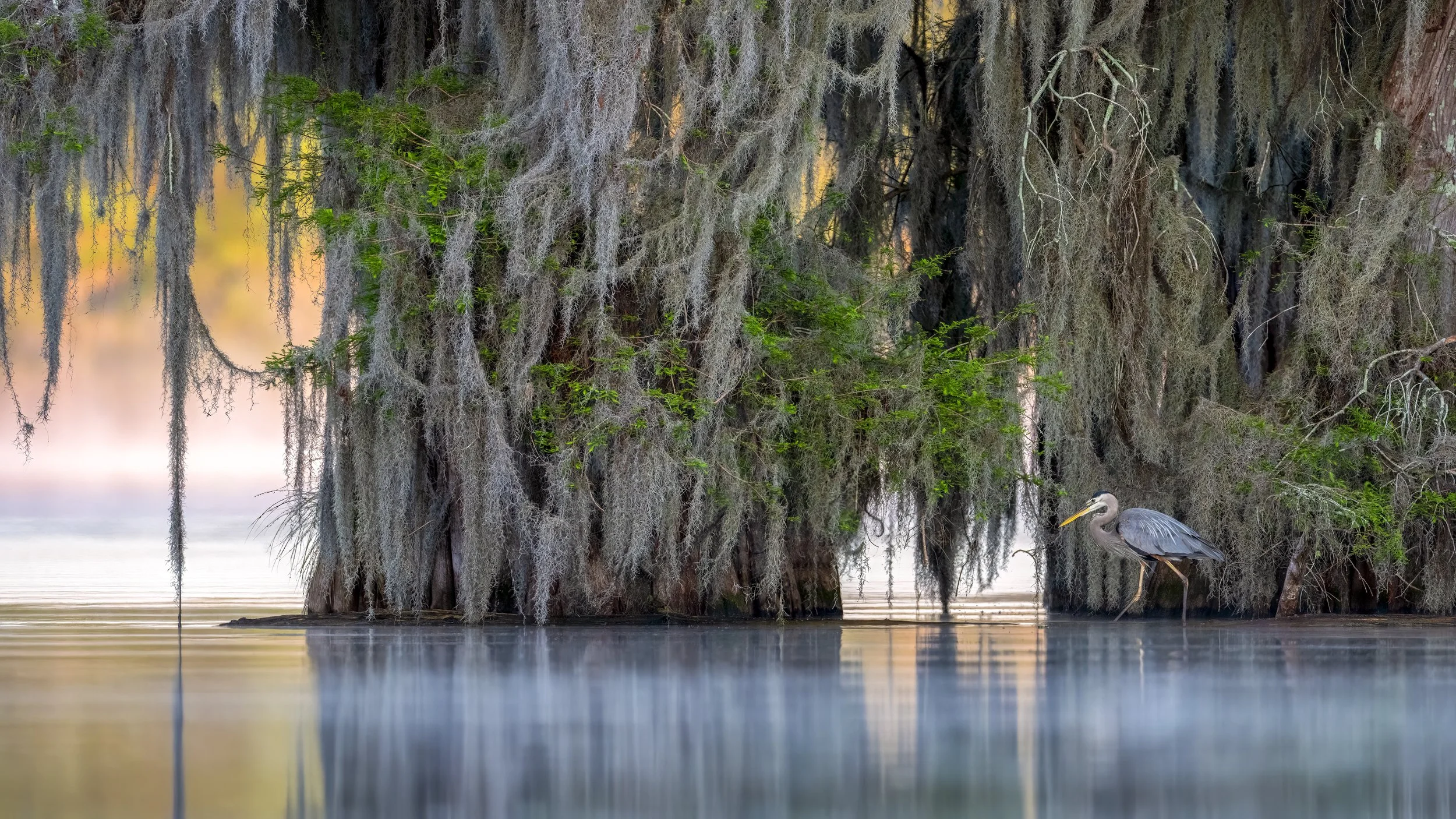
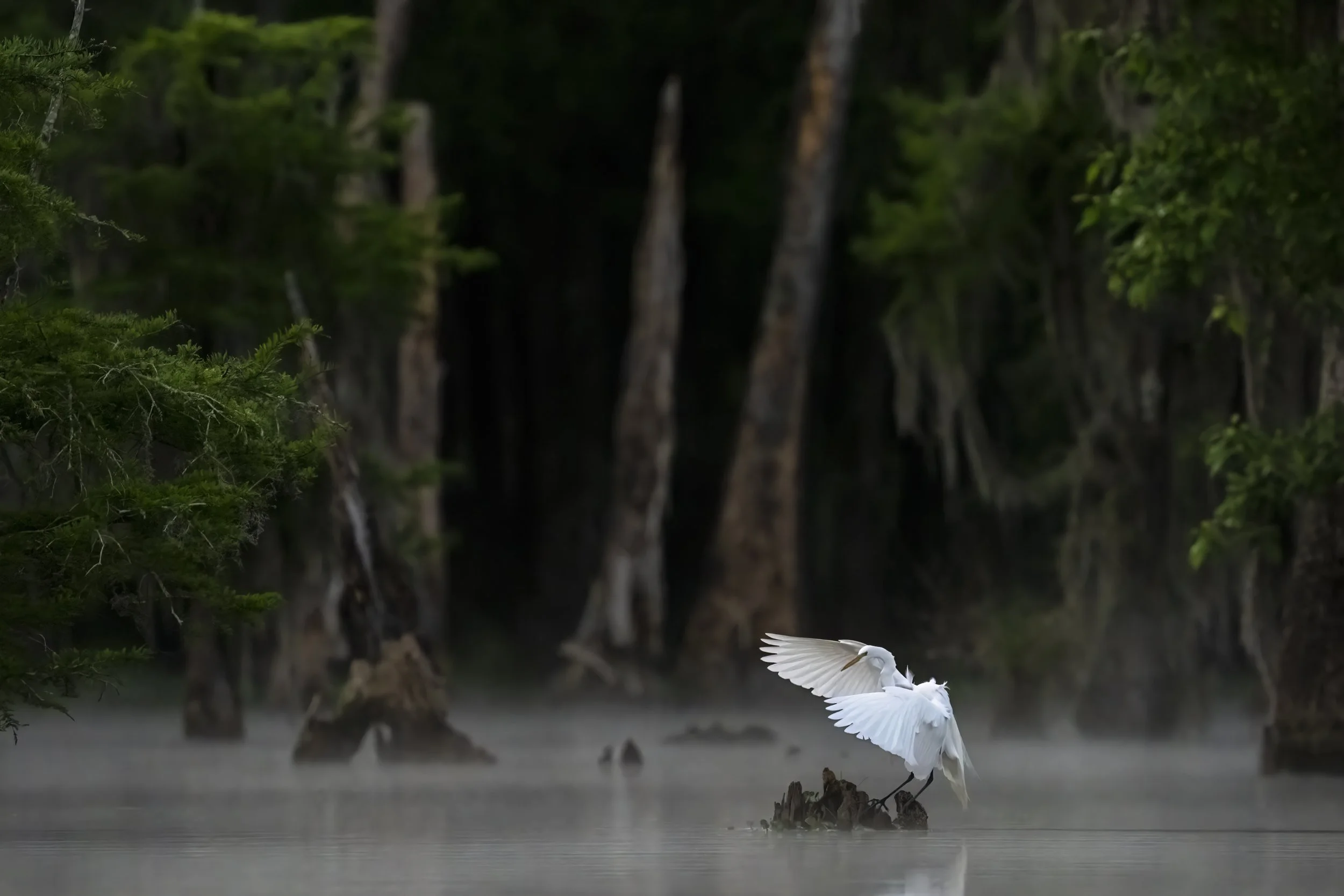
Spotted from a kayak just as the sun was rising, this Great Egret was landing through fog in Louisiana's Atchafalaya Basin, its feathers catching the day's first light.
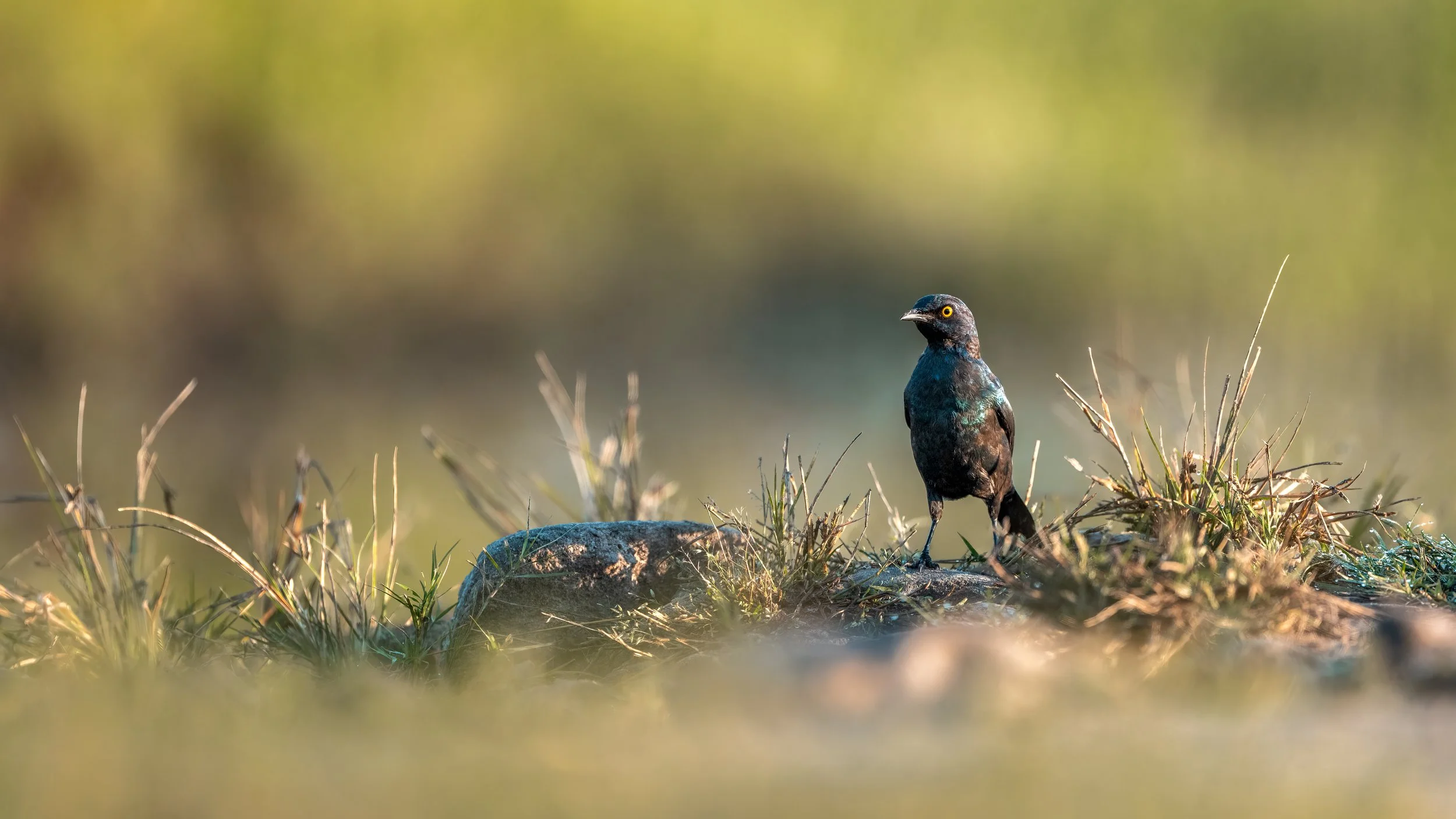
In Hwange National Park, Zimbabwe, the Cape Starling is a gregarious, constantly moving bird. This one, alone in the early morning light, seemed to have found its post.
In Tanzania's northern Serengeti, a spotted hyena holds its ground against a mob of white-backed vultures, hooded vultures, and marabou storks competing for the same meal.
Cape Buffalo, like this one in Kenya's Masai Mara, are famously short-tempered, yet tolerate the Yellow-billed Oxpecker riding along, picking ticks and cleaning wounds.
In Antarctica's white expanse, foraging trips can carry a Gentoo penguin far from its noisy colony and out into the open water, here alone on a raft of pack ice.








In Costa Rica's Tenorio Volcano National Park, this Collared Aracari waits out the near-daily seasonal rains.