This small boat was used by the crew of the Governoren, a whaling ship grounded in Antarctica's Foyn Harbor after catching fire in 1915. Left ashore, it has weathered the ice ever since.
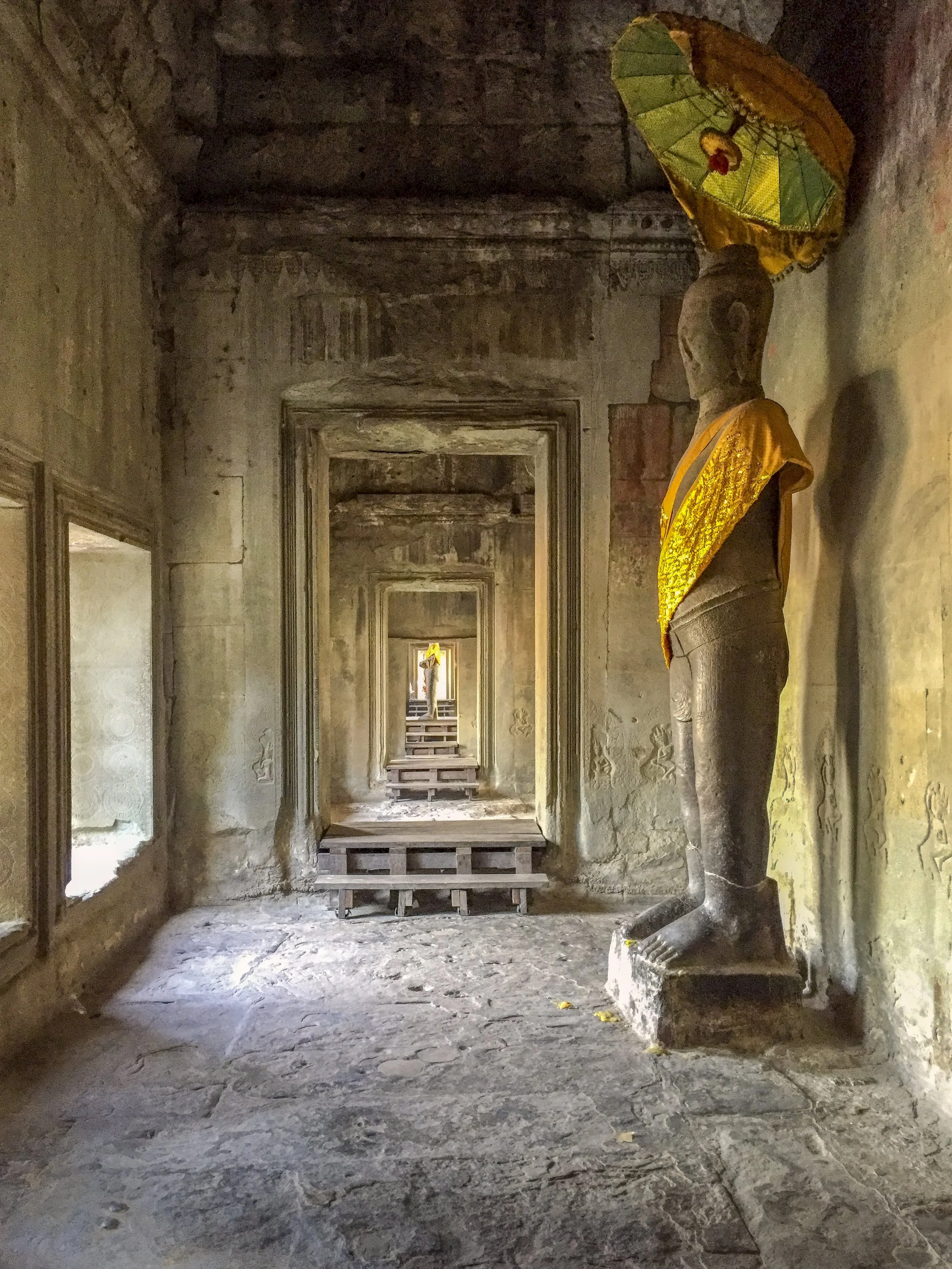
In Cambodia, near Siem Reap, Angkor Wat was built to worship Vishnu. Its west gate galleries were later filled with Buddha images left by pilgrims, now adorned with cloth and parasols.
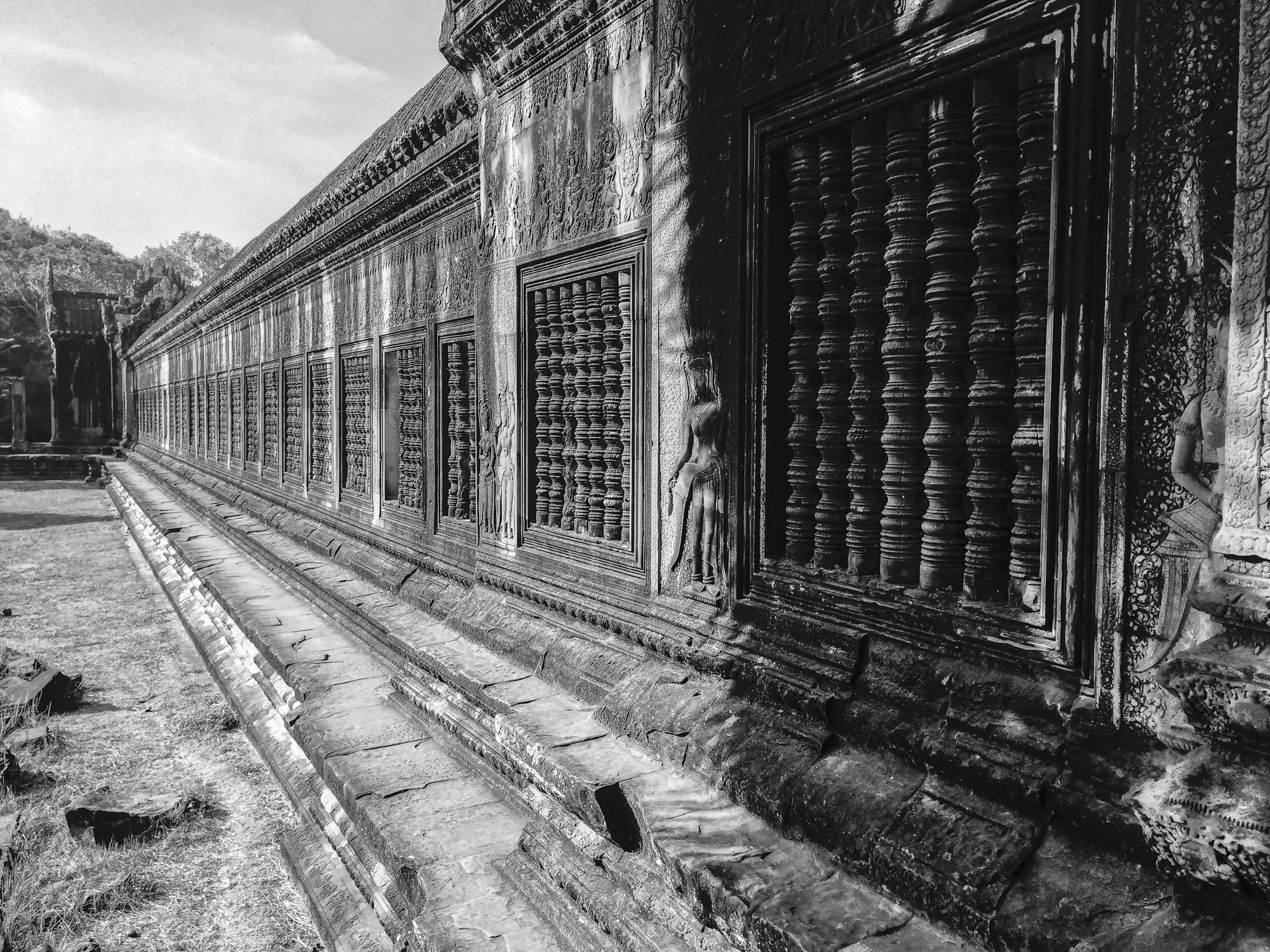
Khmer temples typically face east as Hindu shrines to the rising sun. Angkor Wat notably faces west instead, a reversal linked to its role as a royal funerary temple.
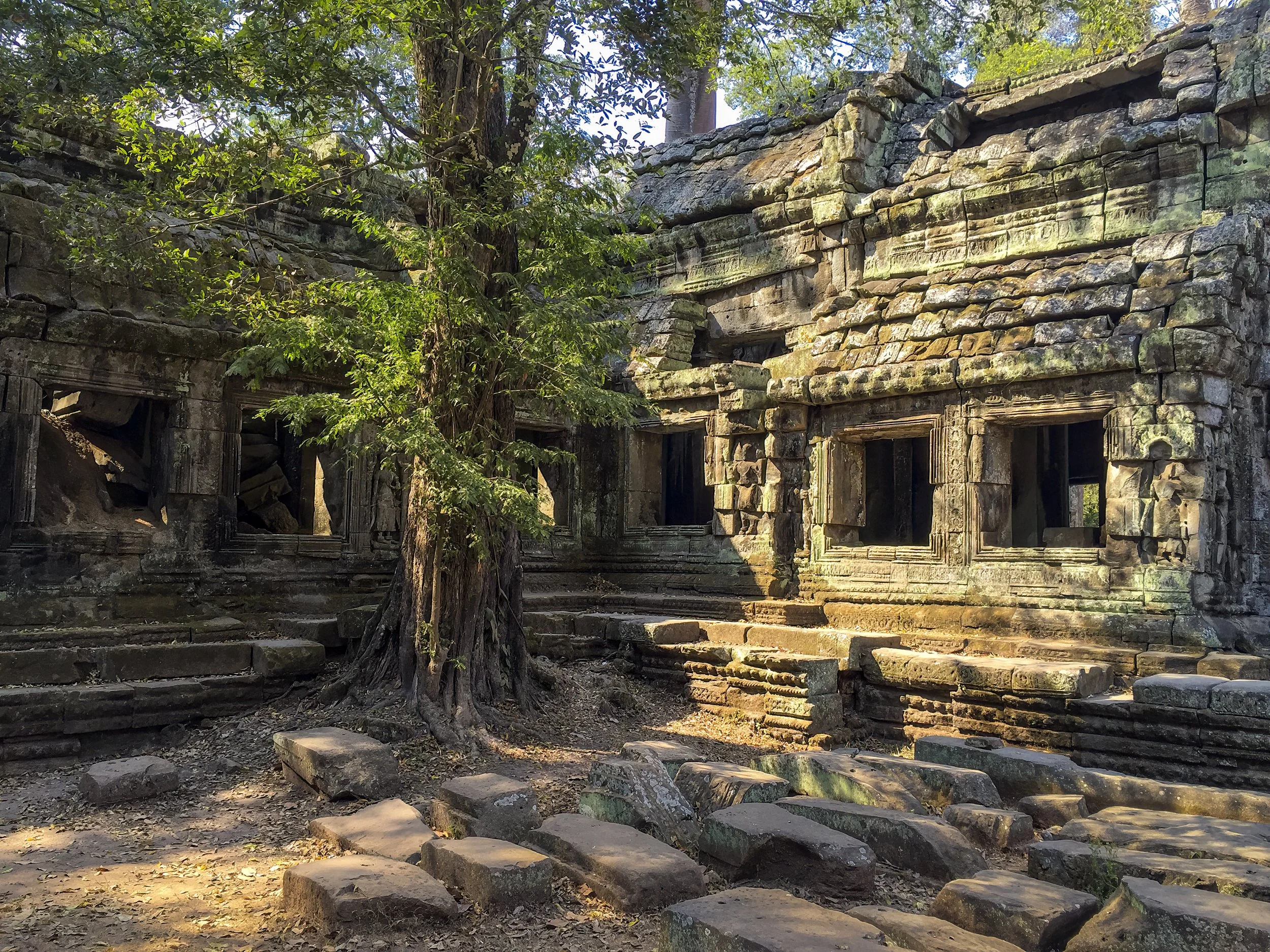
Cambodia's Ta Prohm, built in 1186 as a Buddhist monastery and university, was left to the jungle when later French conservators chose not to clear the trees fused to its stone.
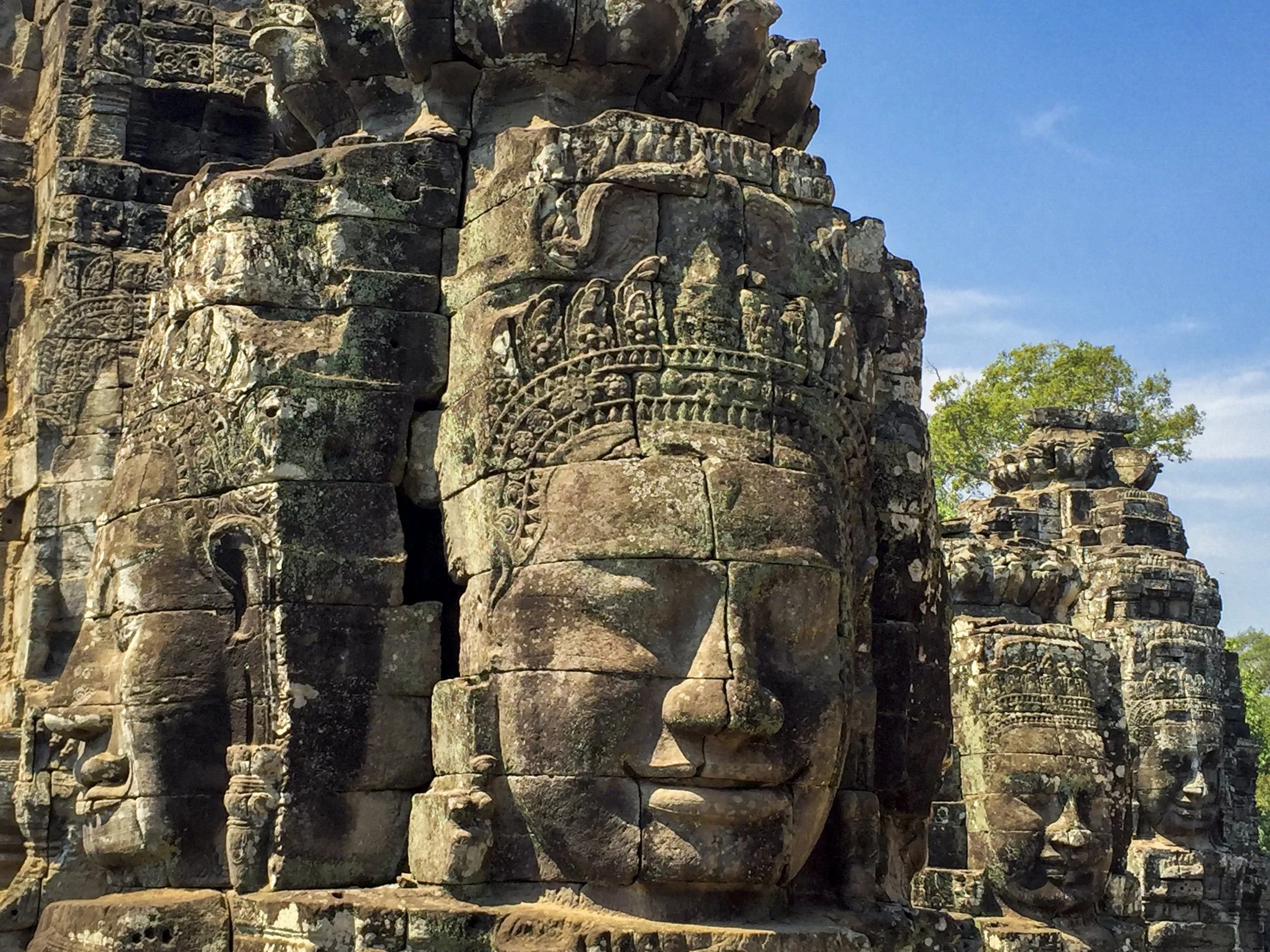
In Cambodia's Angkor Thom, a mile north of Angkor Wat, the temple of Bayon holds fifty-four towers carved with over two hundred faces, each oriented toward one of the four cardinal directions.
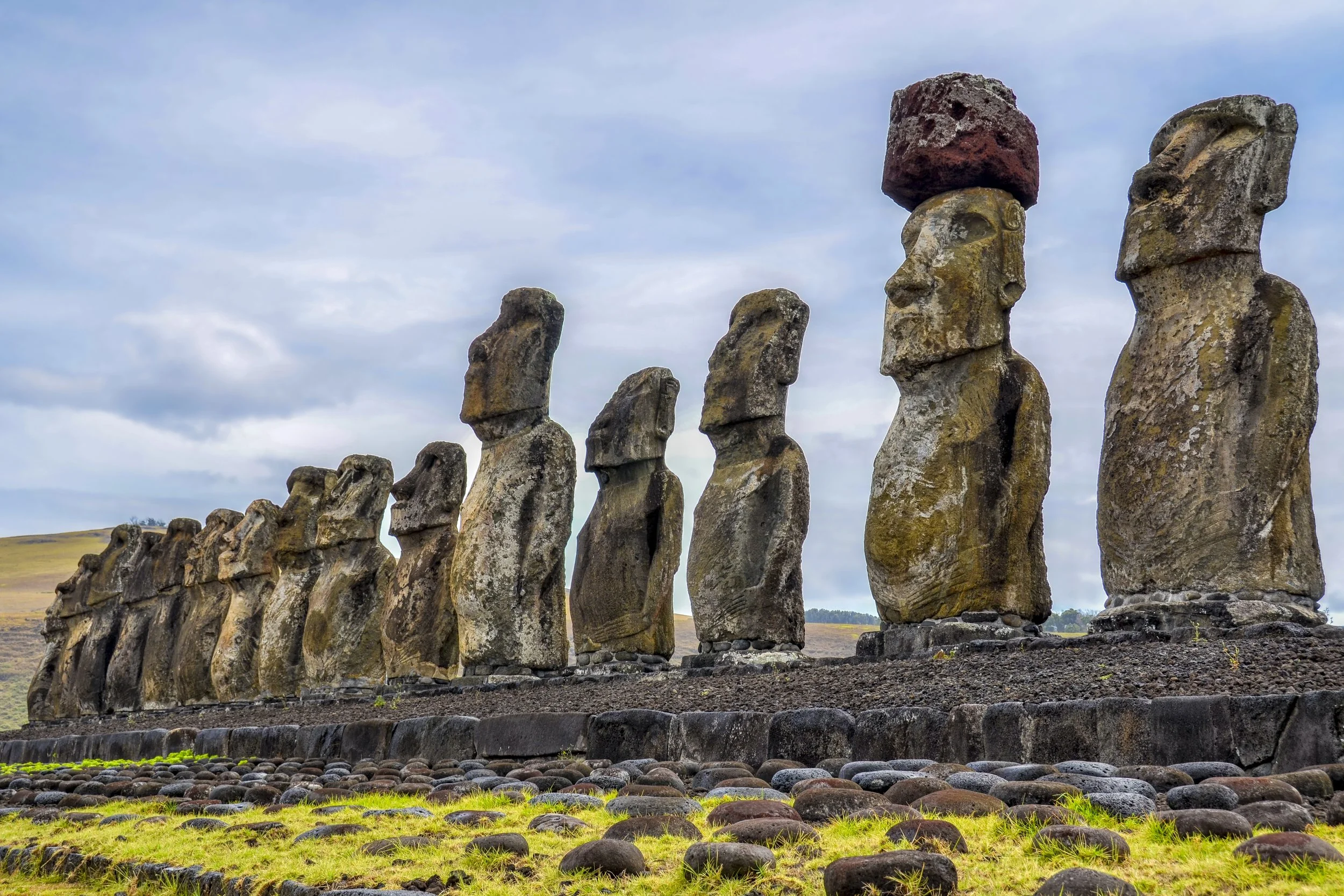
Ahu Tongariki, Easter Island's largest ceremonial platform, was toppled and scattered for over a century before restoration reunited its fifteen moai, ancestor figures carved from stone.
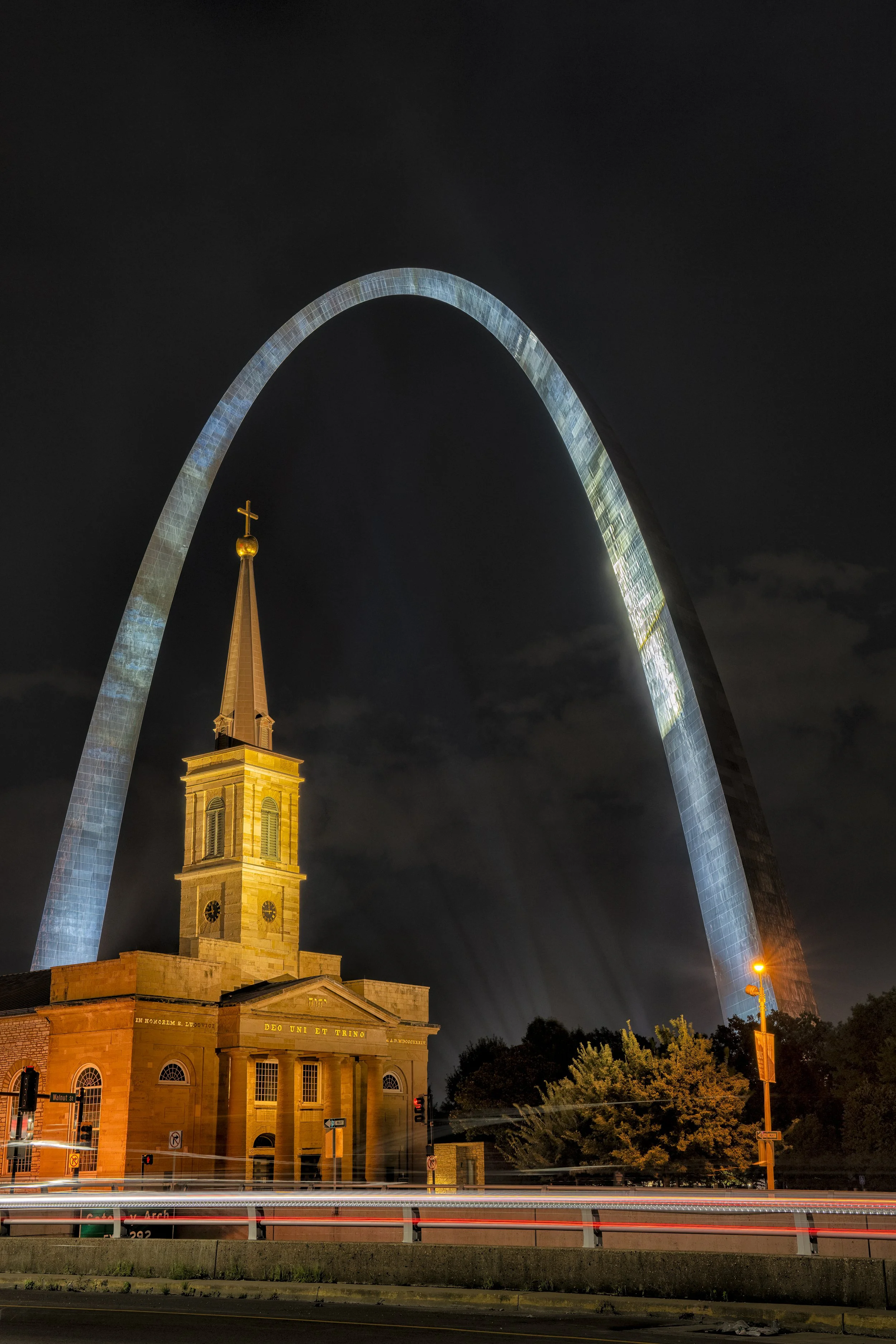
The Basilica of St. Louis, completed in 1834 as the first cathedral west of the Mississippi, stood for over a century before the Gateway Arch was built to symbolize westward expansion.
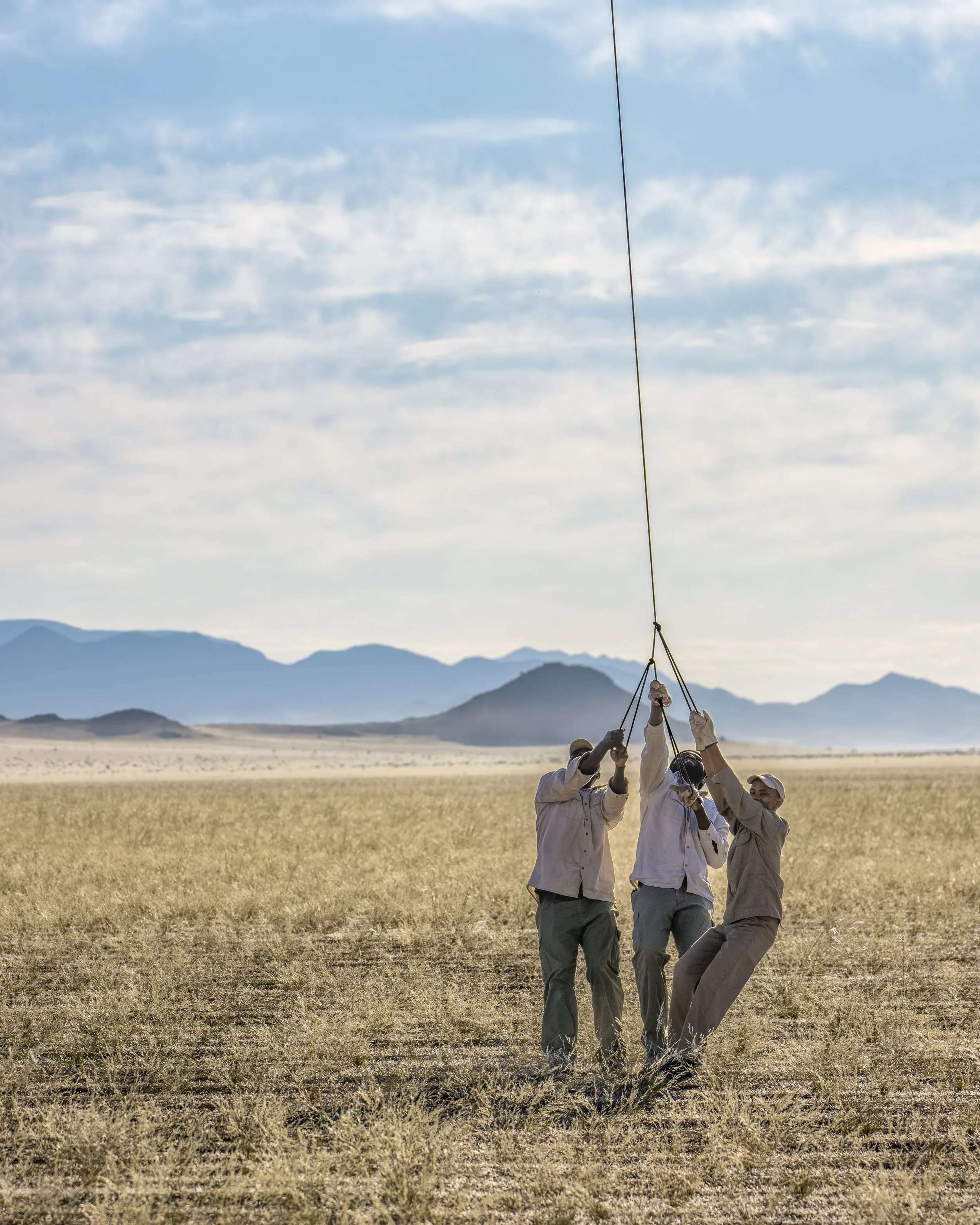
After landing in Namibia's Kalahari Desert, the ground crew steadies a hot air balloon. An everyday task that looks as if they might be trying to catch a cloud.
From a hot air balloon over the northern Serengeti, the Mara River leads past an acacia tree to another balloon drifting ahead on an early morning flight.
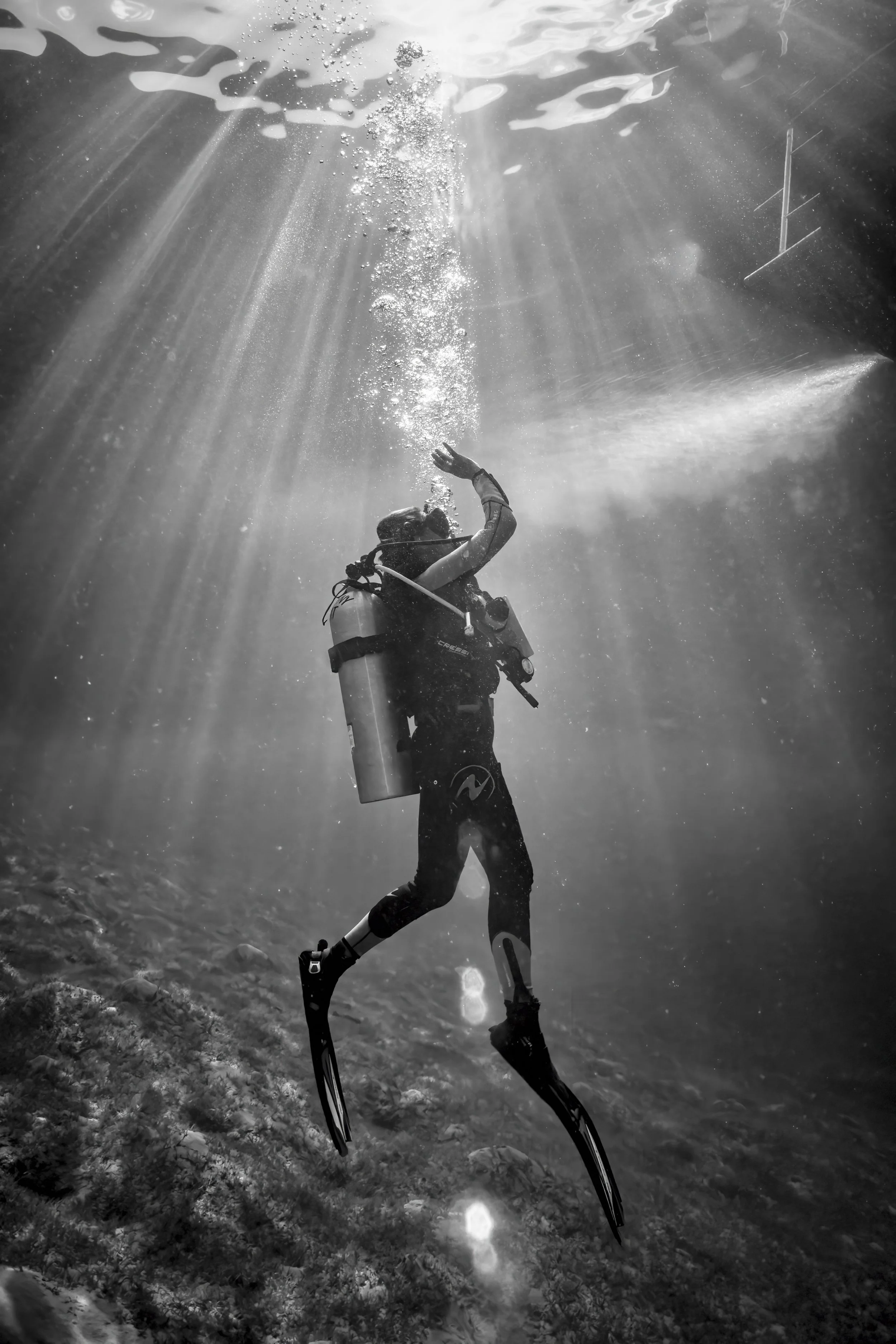
Off the shores of Aqaba, Jordan, a diver surfaces with one hand raised, a practice that protects against unseen hazards above and helps release expanding air from the buoyancy vest.



This small boat was used by the crew of the Governoren, a whaling ship grounded in Antarctica's Foyn Harbor after catching fire in 1915. Left ashore, it has weathered the ice ever since.