In Zimbabwe's Hwange National Park, a tower, the collective term for giraffes, gathers beneath an acacia. Uncommon elsewhere, giraffes here also stoop to graze on grass as well as feed on trees.
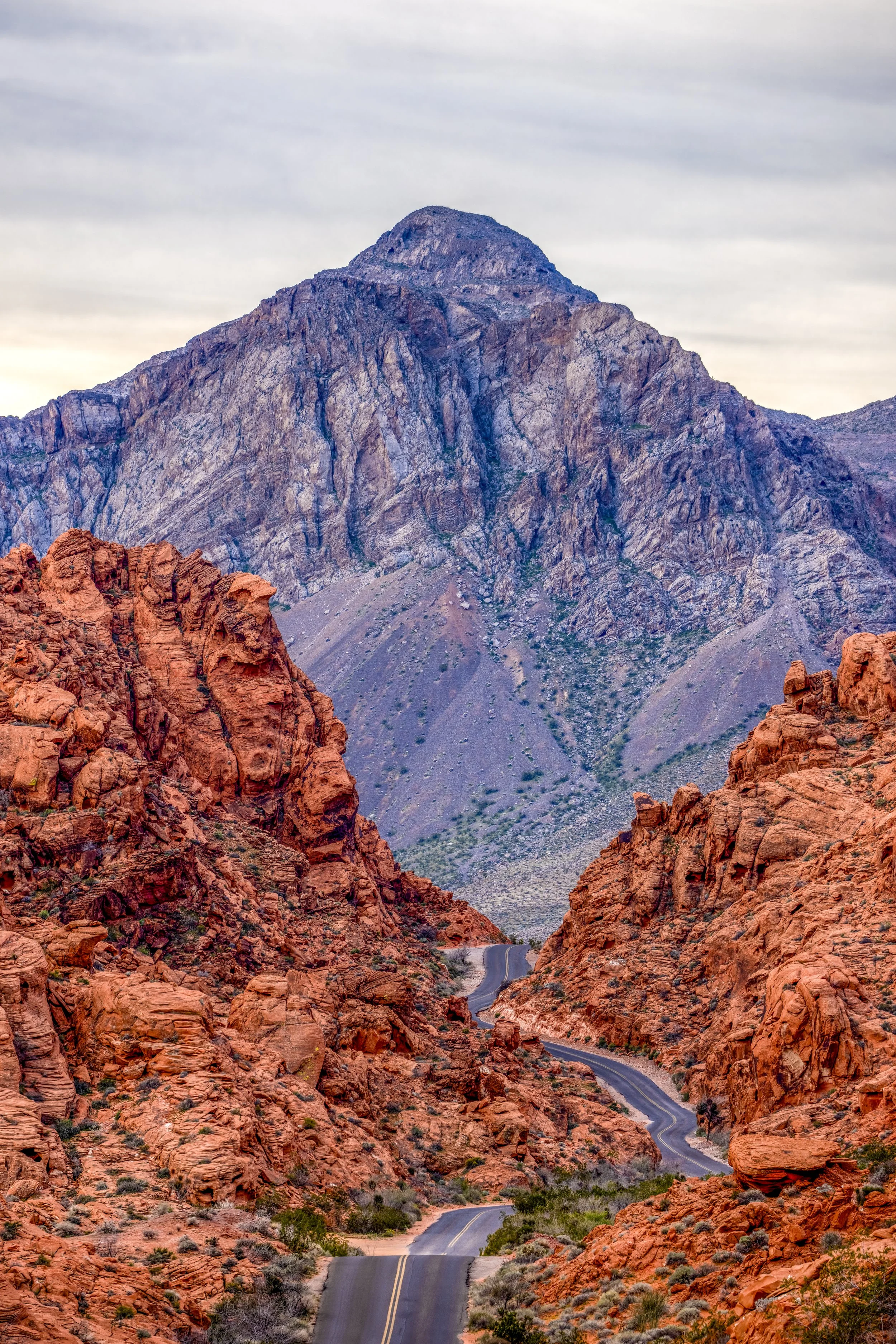
Stretching toward the Muddy Mountains, this road in Nevada's Valley of Fire is named for a tank, a rock basin that collects rainwater, where Little Mouse, a Southern Paiute, evaded capture in the 1890s.
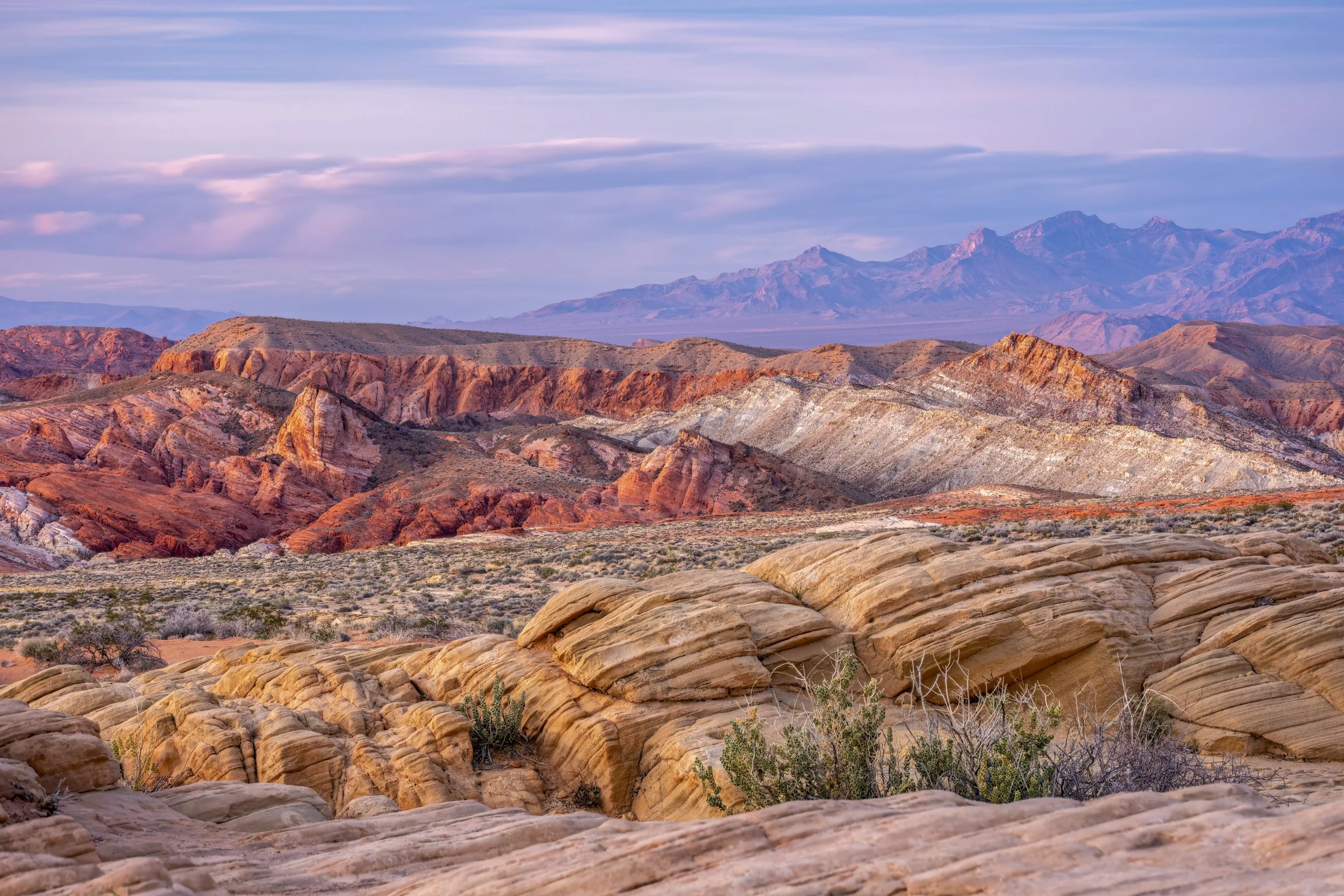
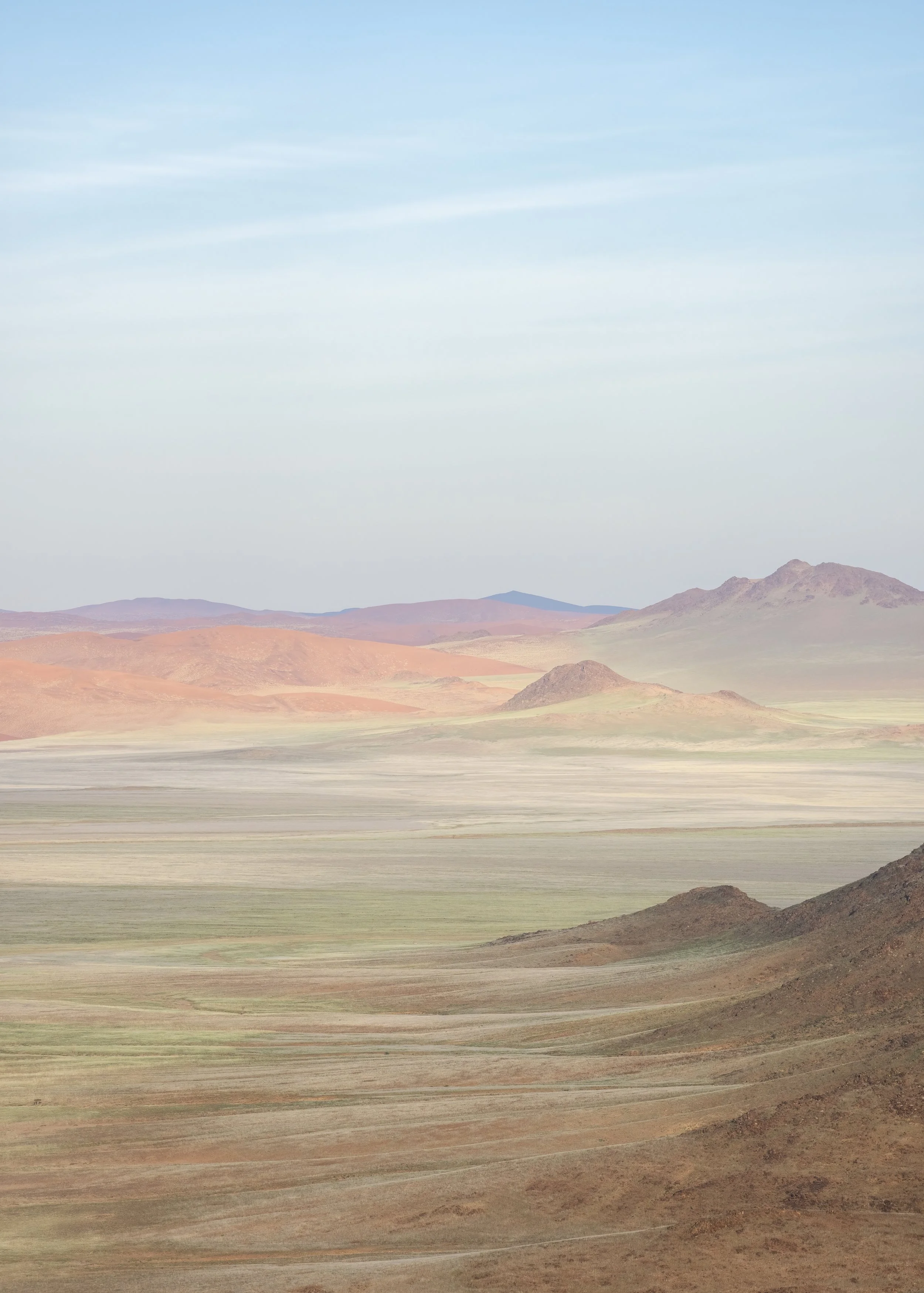
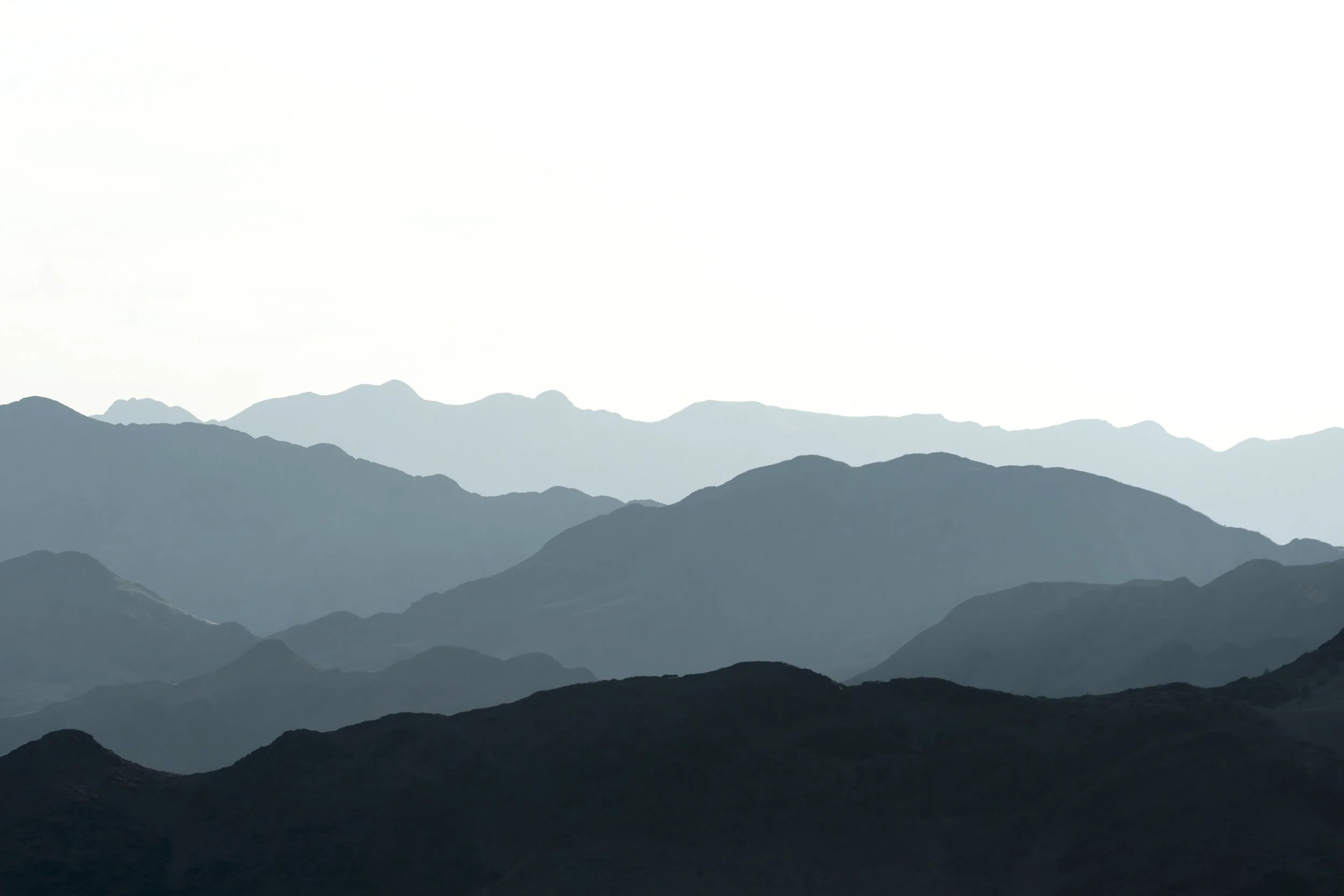
The red Aztec Sandstone that gives Nevada's Valley of Fire its name leads out to the blues of distant mountains, spanning miles of layered desert terrain.
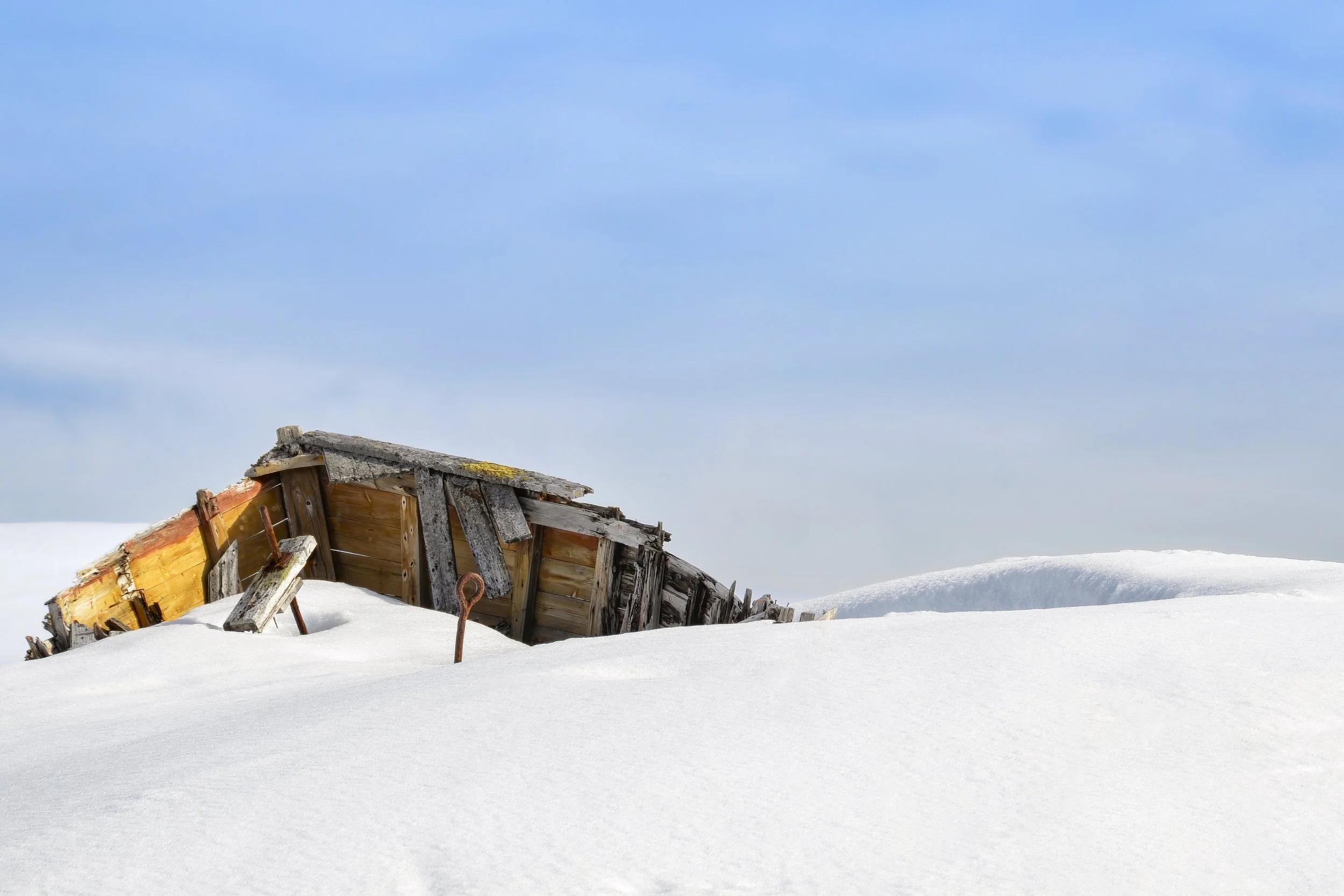
This small boat was used by the crew of the Governoren, a whaling ship grounded in Antarctica's Foyn Harbor after catching fire in 1915. Left ashore, it has weathered the ice ever since.
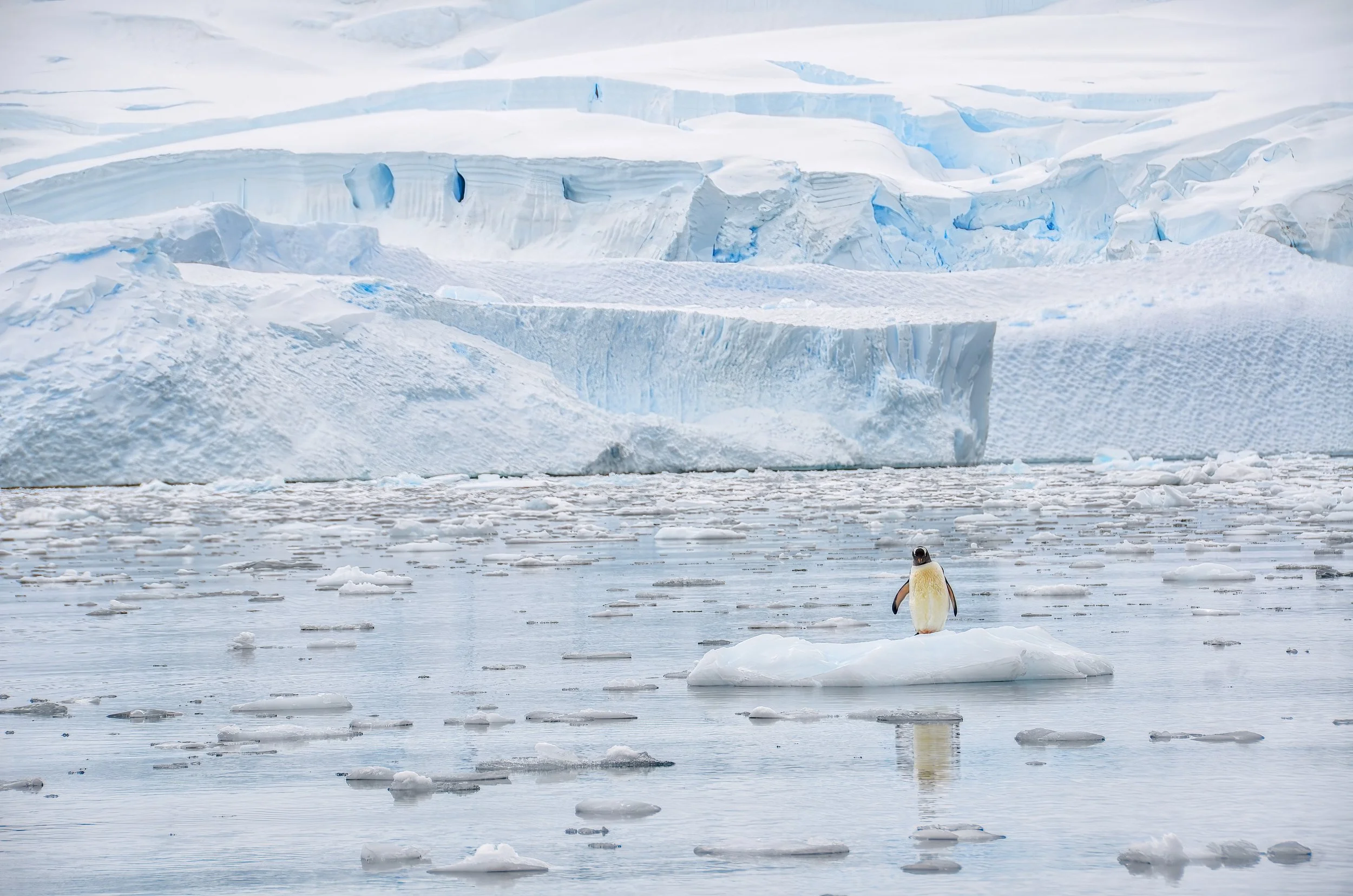
In Antarctica's white expanse, foraging trips can carry a Gentoo penguin far from its noisy colony and out into the open water, here alone on a raft of pack ice.
Outcroppings rising from the savanna in Tanzania's Serengeti, Kopjes (KOH-peez) form islands of granite providing footing for trees, shade for wildlife, and a vantage point for predators.
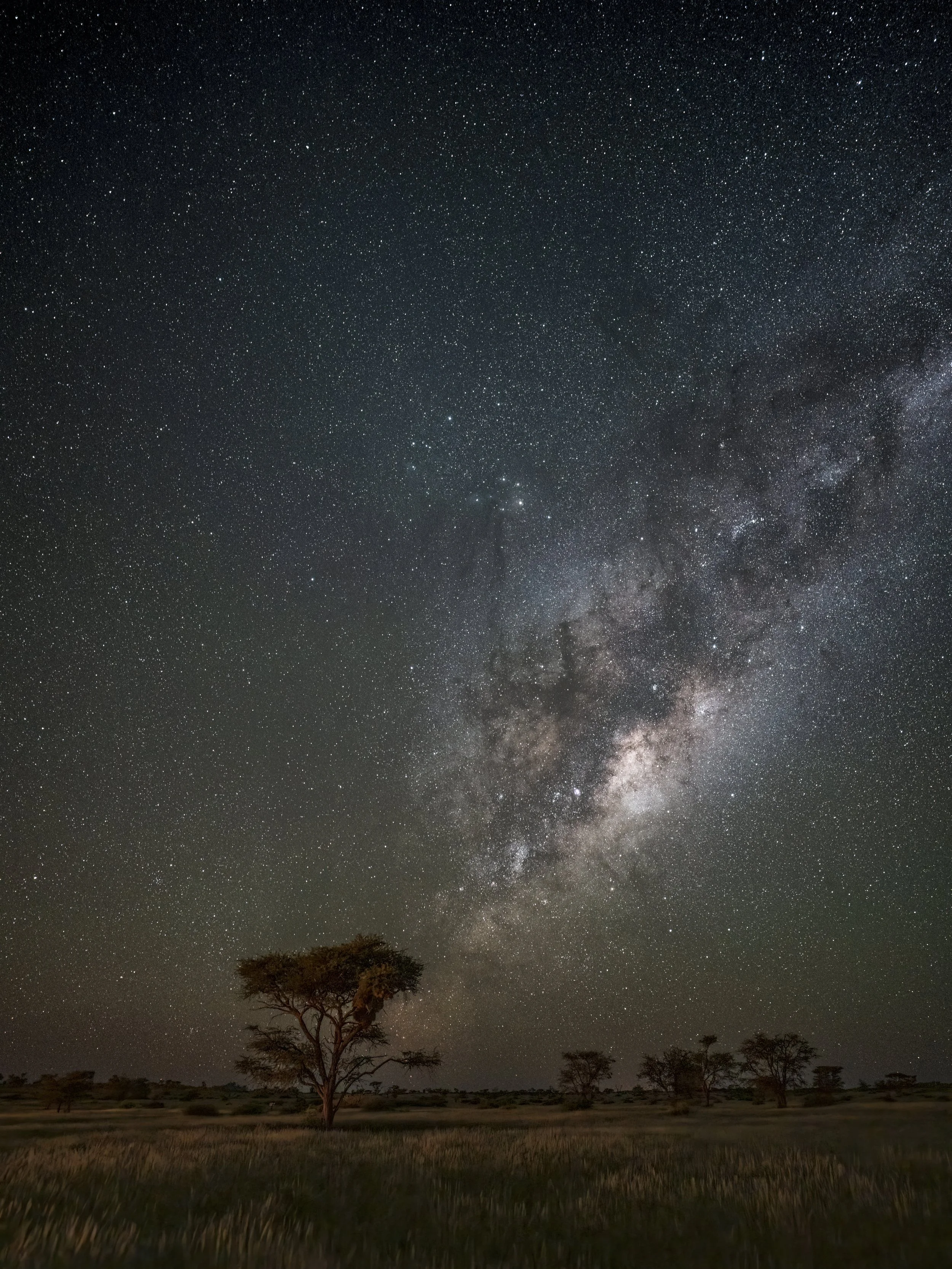
The Milky Way arcs over a camel thorn tree, home to a Sociable Weaver nest, under some of the darkest skies on Earth (Bortle 1) in Namibia's Kalahari Desert.
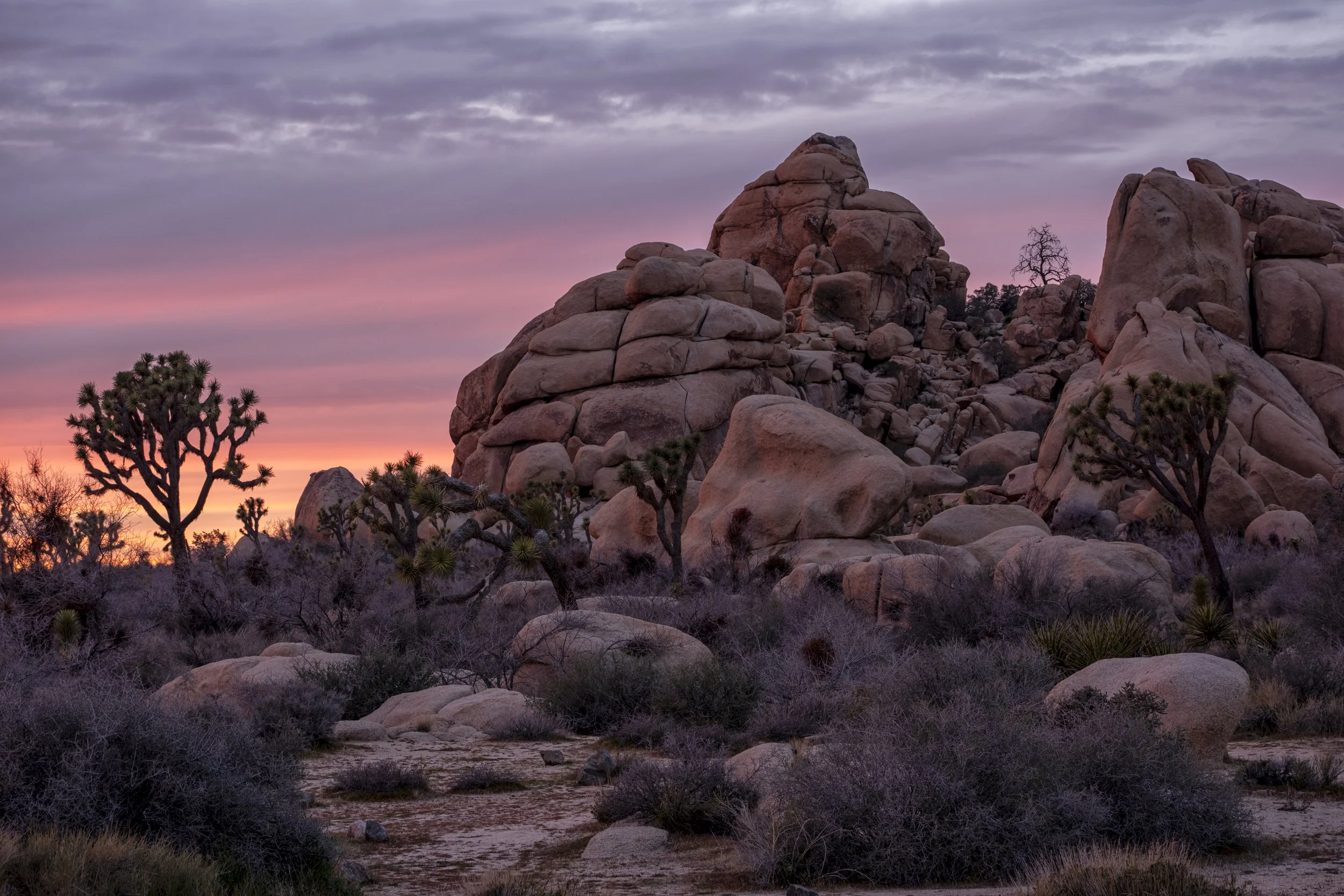
As the sun sinks below the horizon, its lingering light paints the sky in deep pink and purple. A high desert conifer holds fast in a rock alcove, finding purchase where little else can grow.
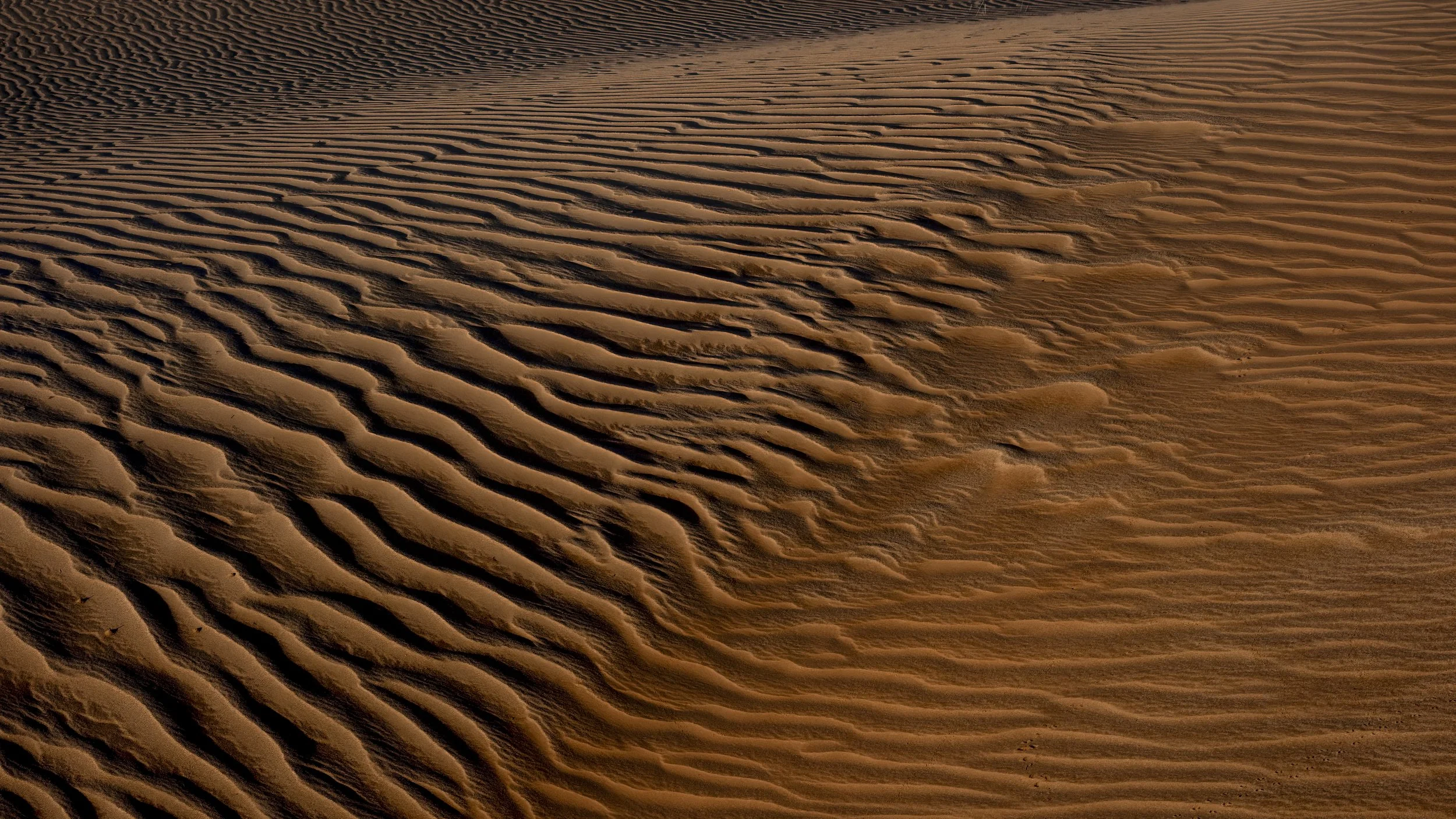
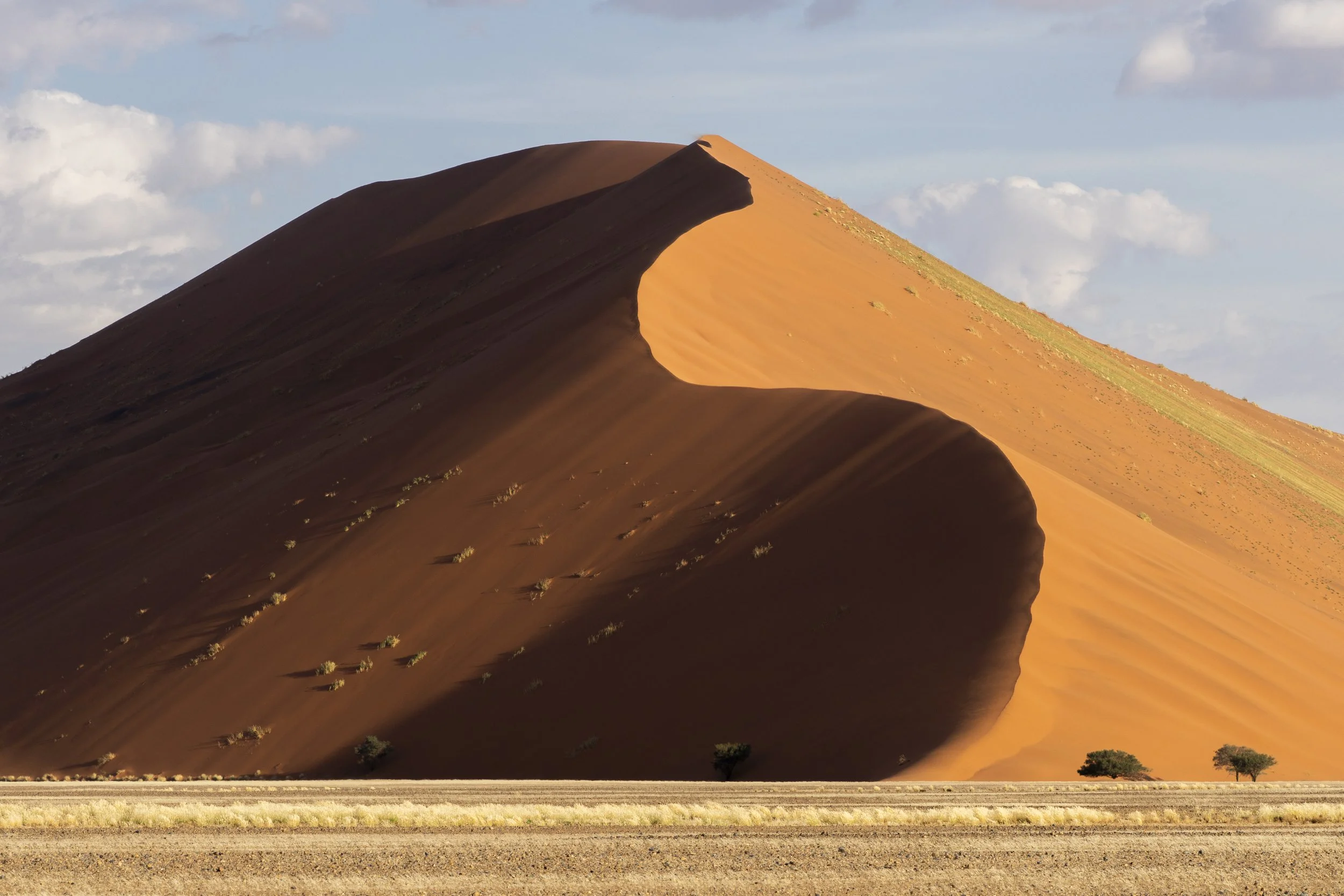
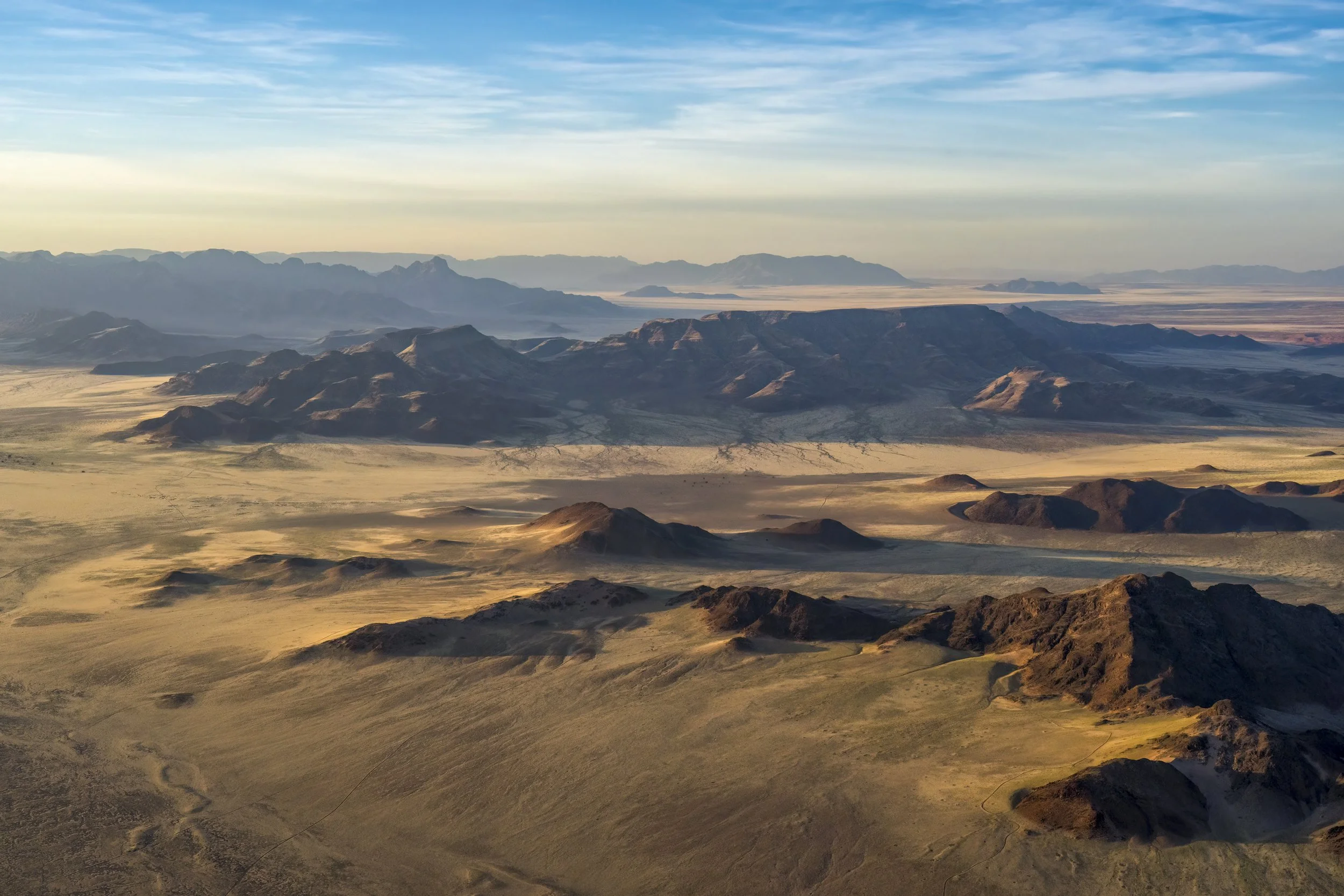
Flying low over Sossusvlei in Namibia's Namib Desert, the dunes below revealed ripple patterns pressed into the iron-stained sand by wind, millions of years in the making.
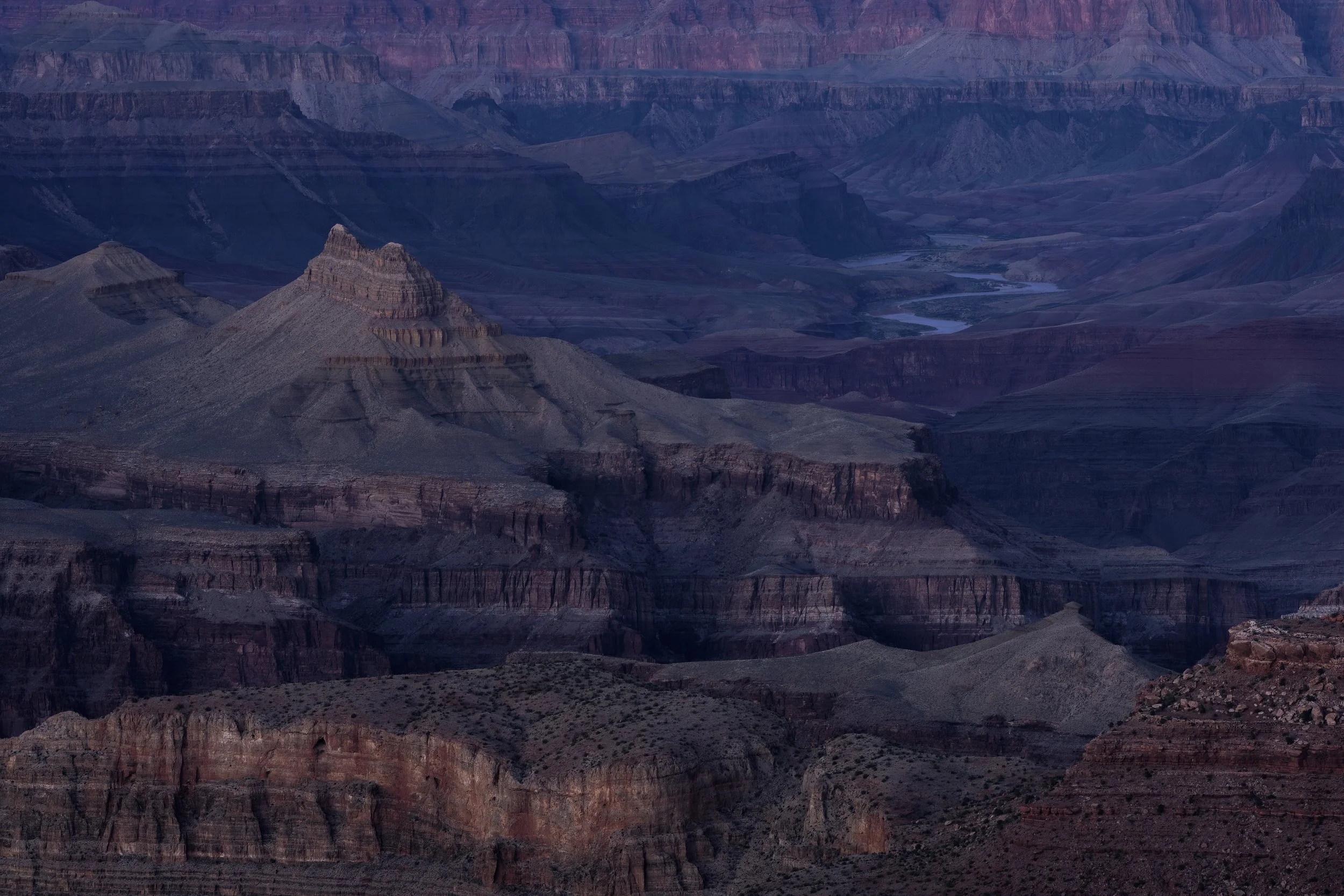
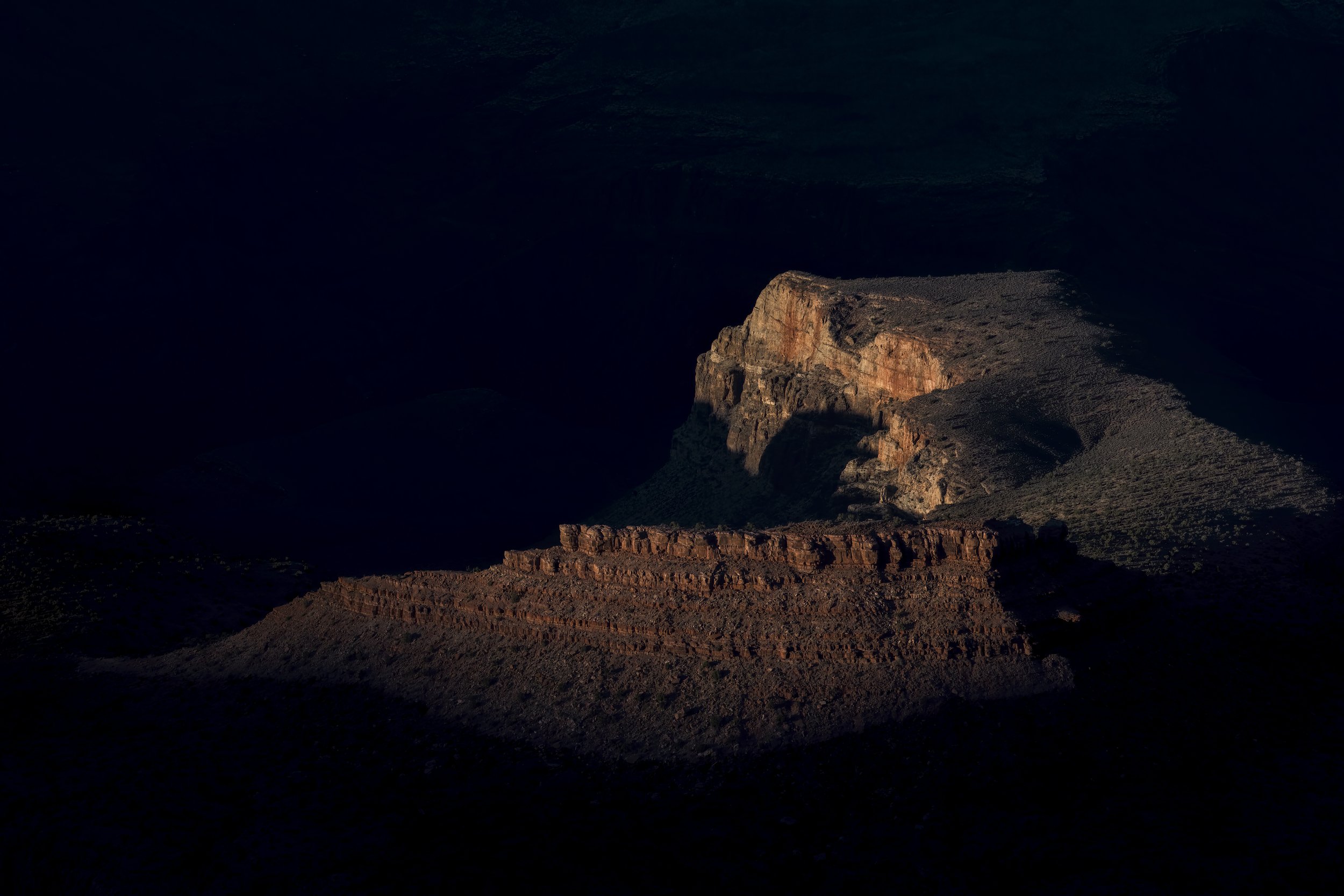
At the Grand Canyon's Lipan Point, erosion has worn billion-year-old rock into wide valleys and towering peaks, exposing vibrant colors and the river's longest visible stretch on the South Rim.
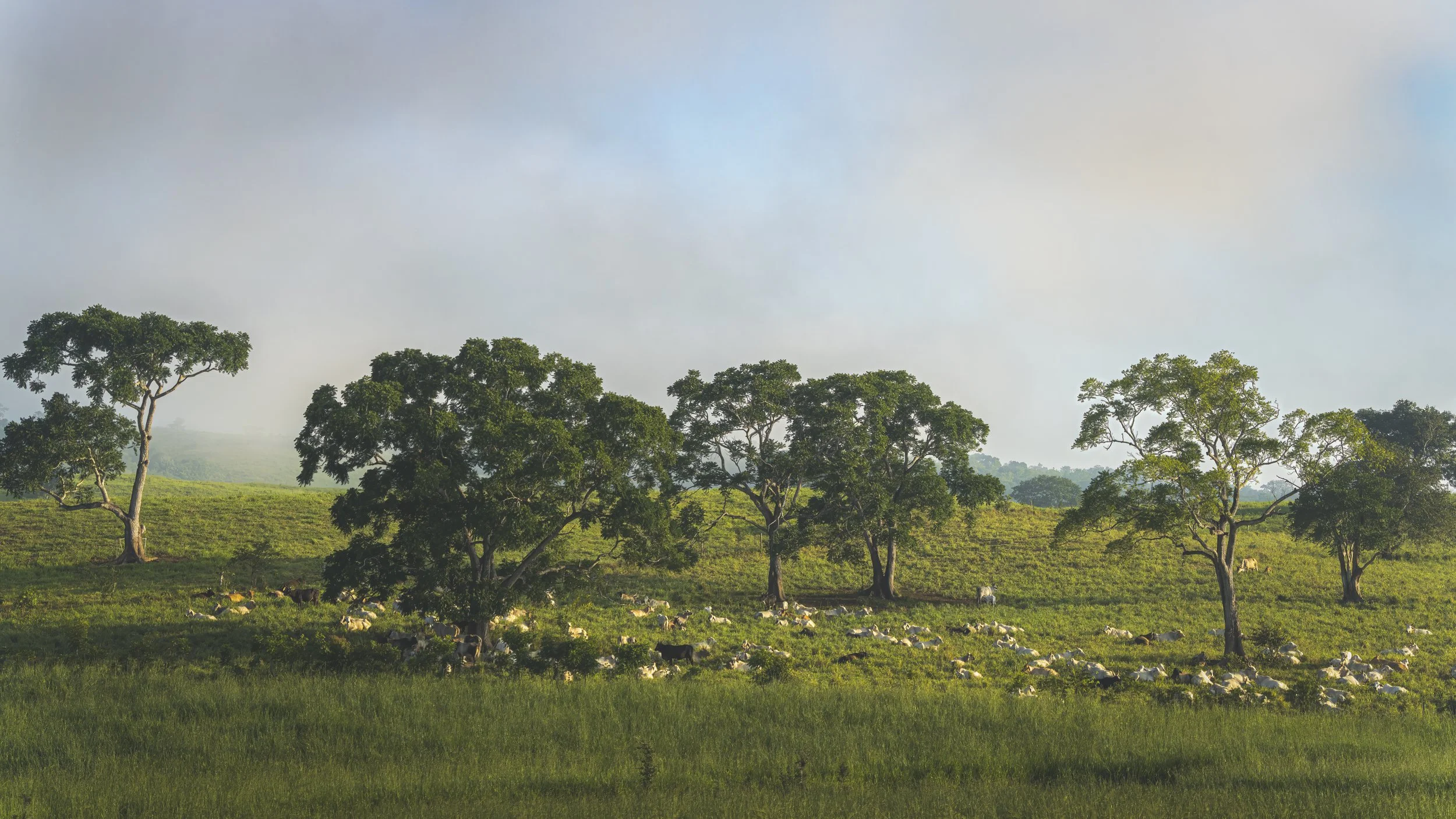
On a hilltop in Belize, Brahman gather beneath the trees as the morning fog lifts. The wide-open pasture feels intimate, something small, still, and close.
From a hot air balloon over the northern Serengeti, the Mara River leads past an acacia tree to another balloon drifting ahead on an early morning flight.
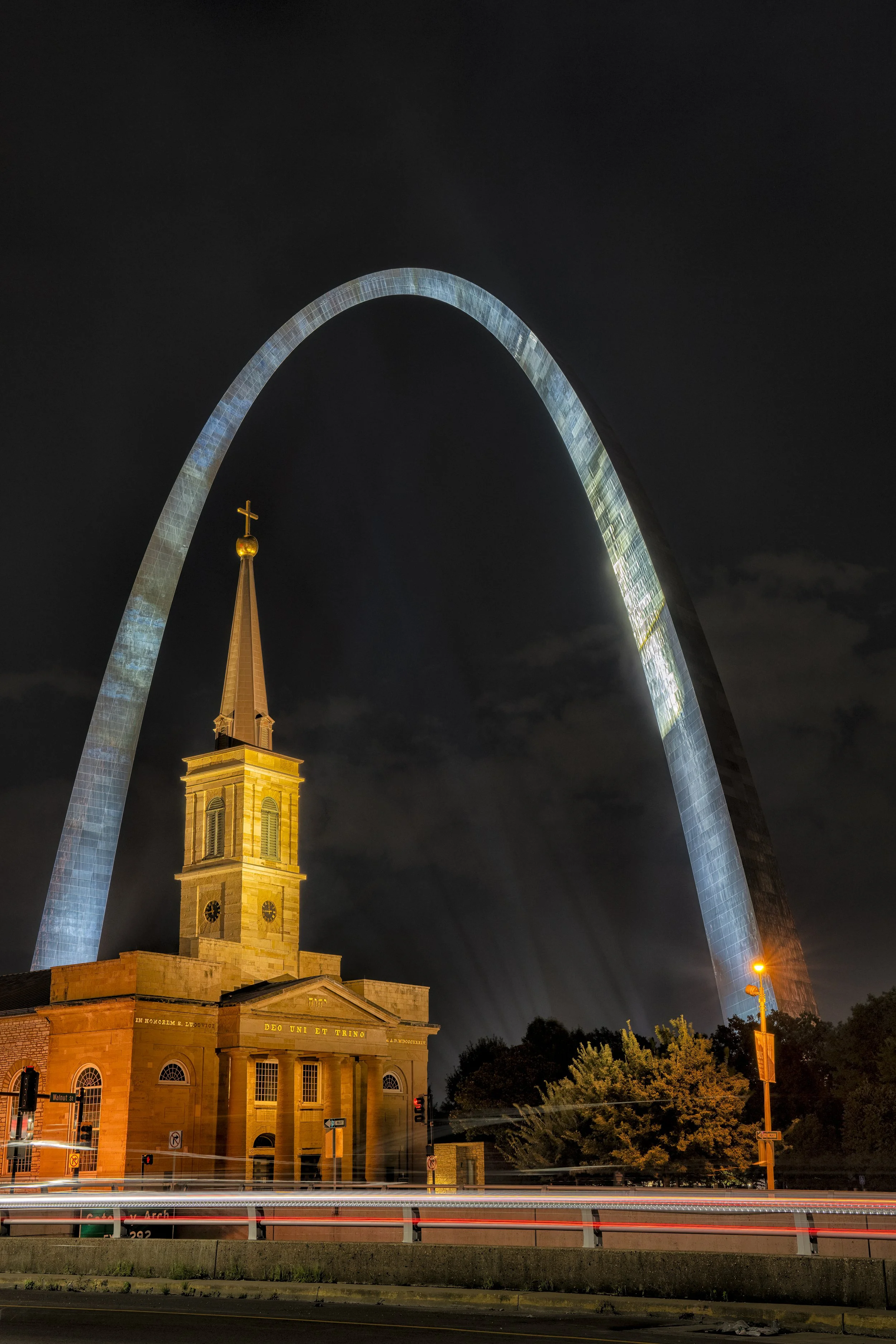
The Basilica of St. Louis, completed in 1834 as the first cathedral west of the Mississippi, stood for over a century before the Gateway Arch was built to symbolize westward expansion.





In Zimbabwe's Hwange National Park, a tower, the collective term for giraffes, gathers beneath an acacia. Uncommon elsewhere, giraffes here also stoop to graze on grass as well as feed on trees.